6 Things to Ask Your Local Excavating Contractor About Household Septic Tanks
Investing in a household septic system is one of the most significant, long-term decisions you will make for your property. Whether you are building a new home from scratch, upgrading an aging system, or replacing a failed drainfield, the infrastructure buried beneath your lawn dictates your daily comfort and your property value. Because a septic system is entirely underground, it is easy to adopt an "out of sight, out of mind" mentality. However, a poorly planned installation can lead to catastrophic backups, contaminated soil, and thousands of dollars in premature repairs. To ensure your system is designed to last for decades, you need to collaborate closely with a licensed professional. Consulting a local excavating contractor before the shovels hit the dirt is the absolute best way to protect your investment and guarantee compliance with local regulations.
Navigating the world of excavation, soil mechanics, and wastewater management can feel overwhelming for the average homeowner. There are permits to secure, soil types to analyze, and tank sizes to calculate. You should never guess when it comes to the safety and functionality of your home's waste management. By asking the right questions upfront, you can demystify the installation process, set realistic budget expectations, and ensure that your property is in expert hands.
Here are the essential questions you must ask to guarantee a seamless, professional installation.
1. What Are the Specific Permitting and Zoning Requirements for This Property?
Every municipality has its own strict set of rules governing where and how a septic system can be installed. Before any earth is moved, your local excavating contractor must navigate a complex web of local health department codes, environmental regulations, and zoning laws. Asking about permits upfront ensures that your project starts on a legally sound foundation.
A qualified professional will know exactly which agencies to contact and what documentation is required. They will handle the bureaucratic heavy lifting, ensuring that the system's design respects mandatory setback distances from your home, property lines, water wells, and nearby bodies of water. Skipping or rushing this step can result in heavy fines or a mandatory, expensive relocation of the entire system down the line. Working with an expert guarantees that your installation is fully compliant from day one.
2. How Will the Existing Soil Conditions Impact the System Design?
The ground beneath your feet plays a massive role in how your septic system functions. A septic system relies on the surrounding soil to naturally filter and treat the liquid effluent that flows out of the tank. Because soil composition varies wildly from one neighborhood to the next, a professional must perform a percolation test to measure how quickly the ground absorbs liquid.
When you speak with your local excavating contractor, ask them to explain the results of your soil test in plain English. If your property consists of heavy clay that traps water, or incredibly coarse sand that drains too quickly, a standard conventional system might not work. In these scenarios, a professional will guide you toward alternative options, such as an engineered mound system or an aerobic treatment unit. Understanding your soil conditions early prevents system failure and protects the local groundwater from contamination.
3. Which Size and Type of Septic Tank Best Fit My Household Needs?
Selecting the right tank size is not a matter of guesswork; it is a calculation based on your home's potential water usage and future growth. If you install a tank that is too small, the system will become overloaded, leading to frequent clogs and solids escaping into your drainfield. Conversely, a tank that is too large is an unnecessary upfront expense.
This is where expert industry data becomes invaluable for planning. According to US News, 1,000-gallon septic tanks are recommended for a home with three or four bedrooms. When you consult your local excavating contractor, discuss not just your current living situation, but also your long-term plans. If you intend to add a bedroom, remodel a bathroom, or grow your family, your contractor can help you decide if you should scale up your tank capacity now to prevent headaches in the future.
4. Where Is the Most Strategic Location to Place the Drainfield?
The drainfield, or leach field, is the most delicate and expansive component of your household septic system. It requires a large, relatively flat area of undisturbed soil to function correctly. You cannot simply place it wherever it looks convenient on your lawn; its positioning requires meticulous, professional planning.
Ask your local excavating contractor to map out the ideal location and explain the reasoning behind it. The drainfield must be placed in an area with excellent drainage, far away from heavy driveways, future pool sites, or large trees whose roots could puncture the underground pipes. Furthermore, a seasoned professional will help you identify a "reserve area" on your property—a secondary plot of land set aside in case the primary drainfield ever needs to be replaced decades down the road.
5. How Will the Heavy Excavation Machinery Affect My Landscape?
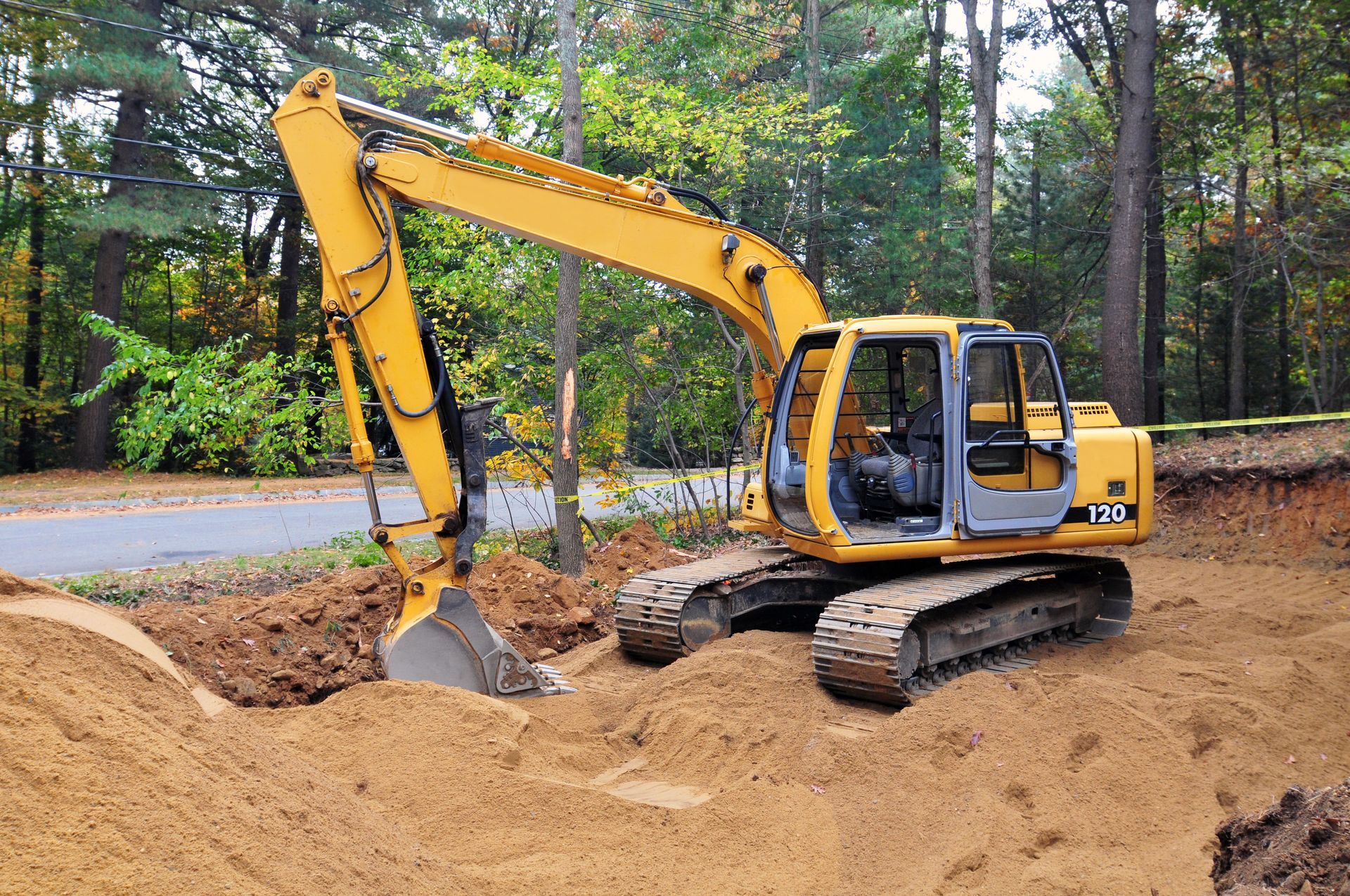
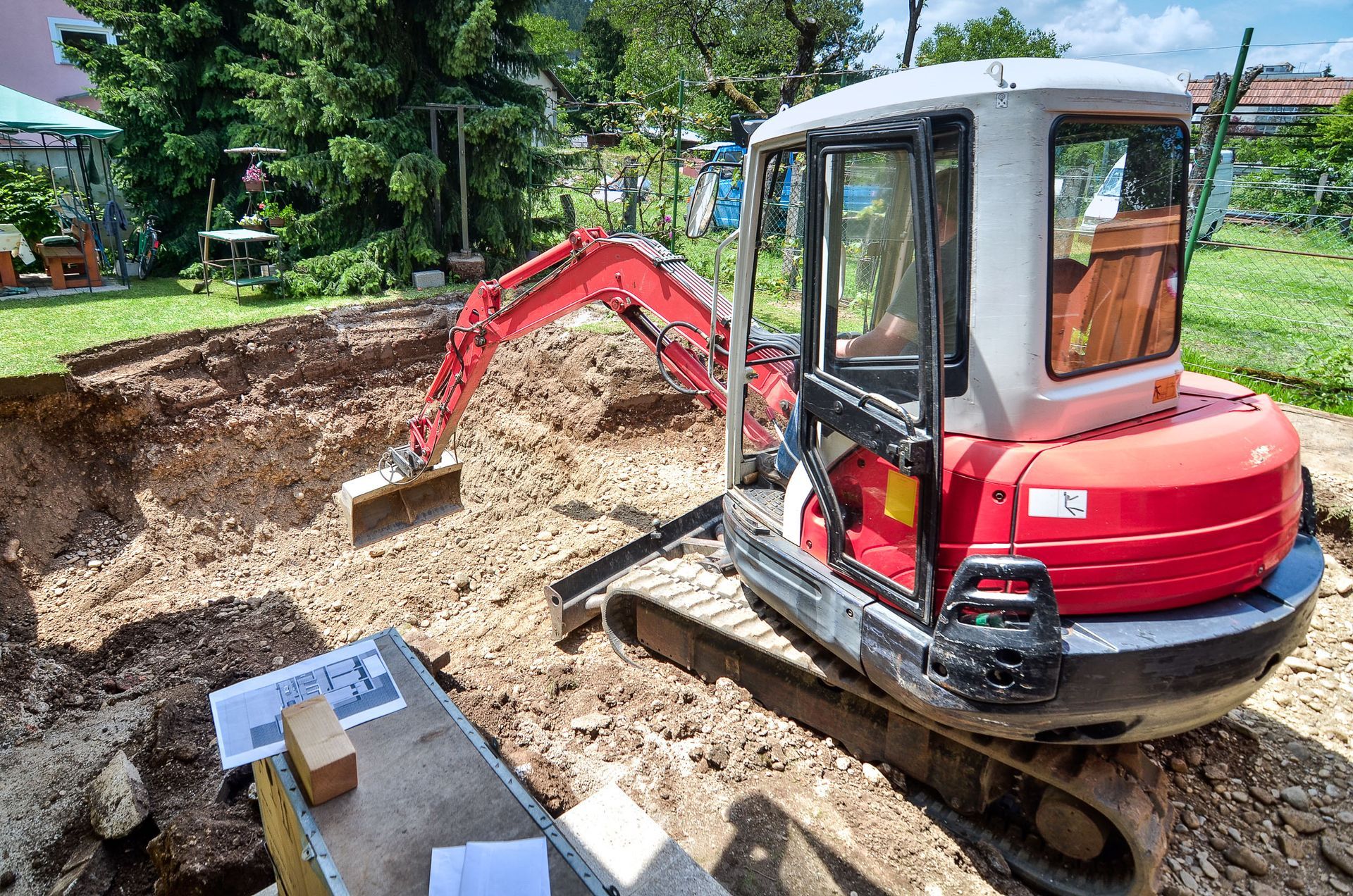
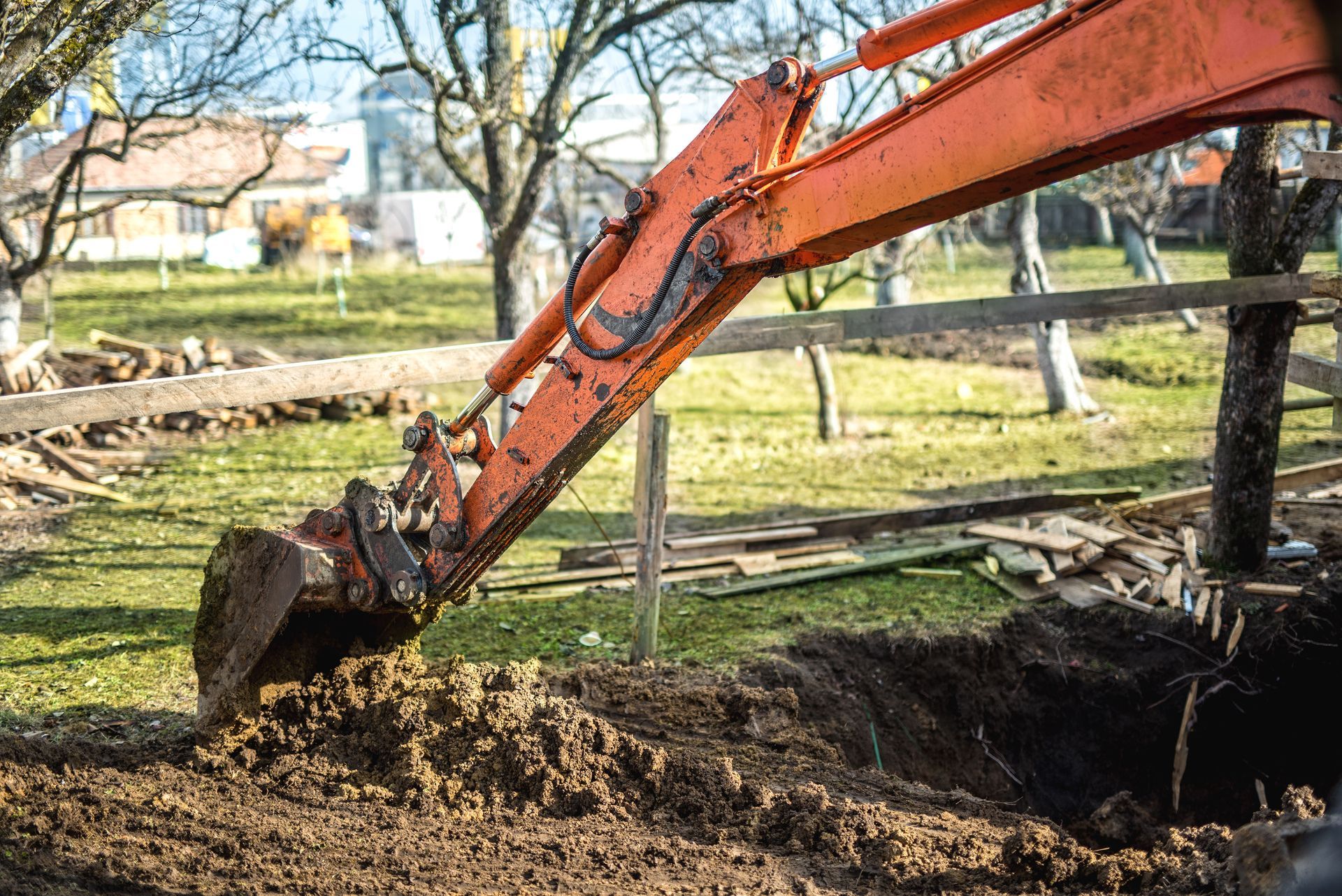
Excavation is a heavy-duty process that involves massive dump trucks, backhoes, and skid steers. While some disruption to your yard is completely unavoidable, a true professional will always have a clear plan to minimize collateral damage to your property.
By discussing logistics with your local excavating contractor before work begins, you can prepare your landscape for the heavy machinery. Ask them which paths the trucks will take, how they plan to protect existing underground utilities, and what measures they will implement to control soil erosion during rainfall. Knowing these details ahead of time allows you to move treasured plants, temporarily relocate outdoor furniture, and mentally prepare for the temporary transformation of your lawn.
6. What Kind of Post-Installation Maintenance Strategy Do You Recommend?
A septic system is a major financial investment, and its lifespan depends heavily on how well you care for it after the installation team packs up and leaves. True professional contractors do not just dig a hole and disappear; they provide you with the knowledge required to keep the system running smoothly for generations.
Your local excavating contractor can provide highly tailored advice based on the exact model and brand of system they install. Ask them to walk you through the location of the tank lids, how often the effluent filter needs to be cleaned, and how frequently you should schedule professional pumping. They can also provide you with a detailed map of the installed components, which is an invaluable asset for future maintenance technicians or potential homebuyers if you ever decide to sell your property.
Installing a household septic tank is a highly technical, multi-layered project that leaves absolutely no room for amateur mistakes. From navigating local environmental permits and analyzing complex soil structures to calculating precise tank capacities and protecting your landscaping, every single step requires a high level of expertise. By asking these critical questions, you can confidently oversee your property's development, ensuring that your waste management system is safe, efficient, and built to stand the test of time. Never underestimate the value of professional craftsmanship when it comes to the core infrastructure of your home.
Are you ready to break ground on your next residential project with a team you can truly trust? At M.J. McKernan Enterprises, we bring decades of hands-on, professional excavation experience to every job site. We take pride in handling your septic installation with the precision, legal compliance, and care your property deserves. Contact us today to schedule your initial consultation, and let our team build a dependable foundation for your home's future.
Share On: