Investing in Your Septic System: How a Local Excavation Contractor Ensures Long-Term Value
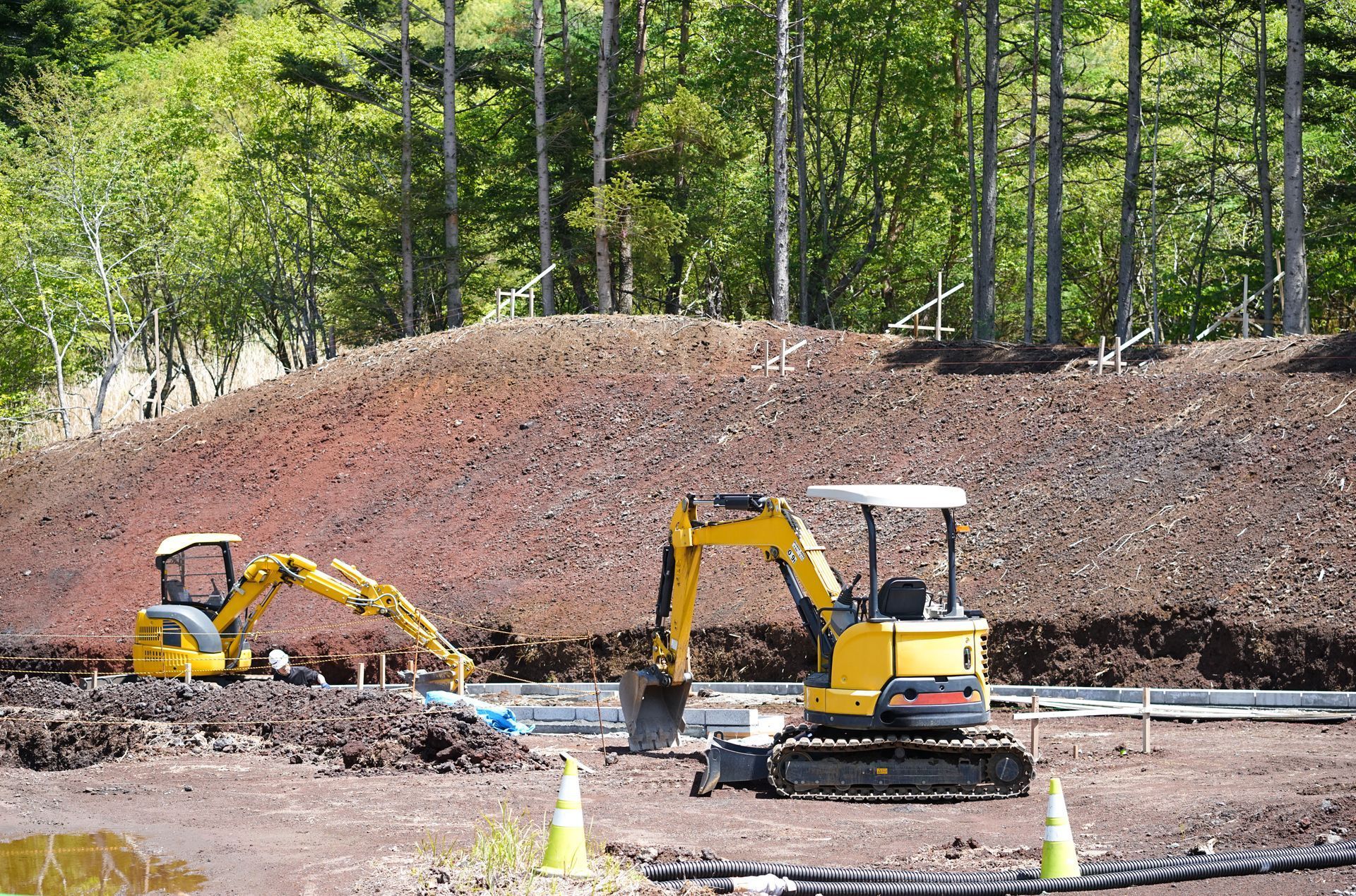
A septic system is a major part of a property's infrastructure, and its long-term performance depends heavily on how well the surrounding excavation work is planned and completed. Proper grading, careful placement, suitable soil conditions, and dependable drainage all influence how effectively the system can function over time. Working with a local excavating contractor can help property owners protect that investment by ensuring that site conditions are evaluated carefully before installation, repair, or replacement work begins.
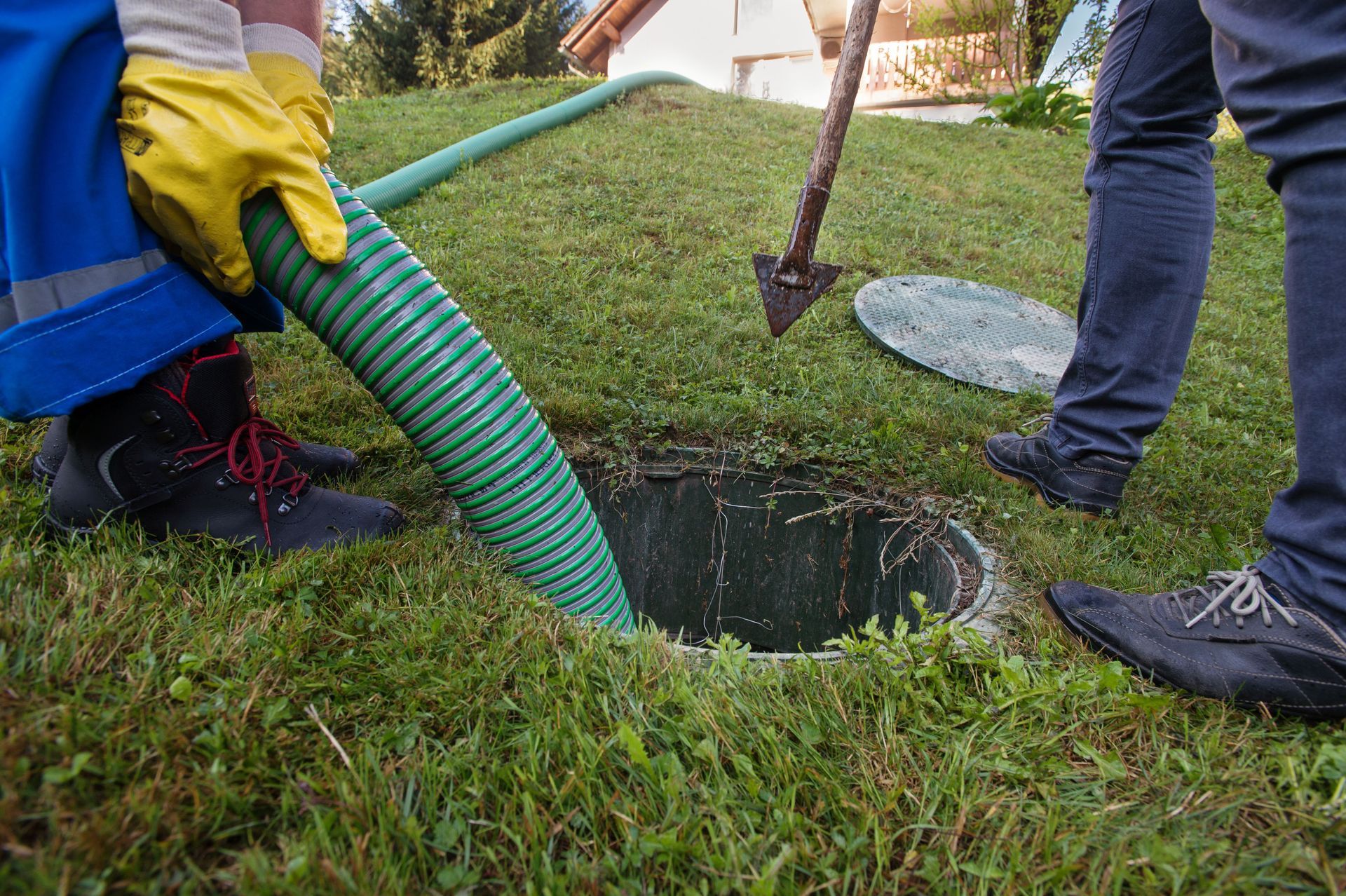
According to AmeriSave, approximately 25% of U.S. homes rely on septic systems based on EPA data, representing more than 60 million Americans who depend on individual wastewater treatment. With so many households relying on private systems, proper excavation becomes an important part of long-term performance. Septic work is not only about placing a tank underground.
It also involves site preparation, drainage, access, soil management, and coordination with other property features. Professional excavation can help support each of these areas and reduce avoidable problems later.
Preparing the Site for Reliable Performance
Evaluating Ground Conditions
Soil type, slope, drainage patterns, and available space can all influence how septic work should proceed. A professional evaluation helps identify conditions that may affect installation or long-term performance. Understanding the property before excavation begins can reduce surprises and allow the project to be planned around actual site conditions rather than assumptions.
Evaluating Existing Structures
Homes, driveways, landscaping, utilities, and other property features can affect access and excavation routes. A local excavating contractor can consider how the septic project relates to these elements so equipment can reach the work area while minimizing unnecessary disruption to the rest of the property.
Evaluating Drainage Patterns
Water movement across a property matters because excess surface water can create complications around septic areas. Professionals can assess how runoff moves through the site and determine whether grading or other excavation considerations should be incorporated into the project.
Evaluating Long-Term Access
Septic systems require future service, so accessibility should be considered during installation. Proper planning can make it easier for service professionals to reach tanks and related components later without requiring extensive disruption to surrounding areas.
Supporting Proper Septic Placement
Positioning the Tank Carefully
Tank placement affects both function and future maintenance. The location must work with property conditions, available space, and other system components. A local excavating contractor can prepare the site so the tank sits at the correct elevation and remains supported by stable surrounding soil.
Positioning Distribution Components
Wastewater must move from the tank toward the appropriate treatment or dispersal area. Proper excavation helps establish the necessary pathways while supporting consistent flow throughout the system. Poor positioning can contribute to operational issues that become more difficult to correct later.
Positioning Around Property Features
Septic components often need to coexist with buildings, driveways, wells, landscaping, and other utilities. Professional planning helps establish a practical layout that considers both current property use and future access requirements.
Positioning for Future Service
System placement should account for the fact that inspections, pumping, and repairs may be needed over time. Thoughtful excavation can help preserve access and reduce the need to remove extensive landscaping or hardscaping during future service visits.
Protecting the System Through Proper Grading
Managing Surface Runoff
Water that collects near septic components can create undesirable site conditions. Grading helps direct surface runoff away from sensitive areas and supports more predictable drainage. A local excavating contractor can shape the surrounding ground so rainfall moves where it is intended rather than pooling around the system.
Managing Soil Stability
Loose, poorly compacted, or disturbed soil can settle over time. Professional excavation considers how soil is removed, replaced, and stabilized around septic components. Proper handling can reduce uneven settling that may affect the surrounding area.
Managing Final Elevations
The final grade around septic components influences both drainage and appearance. Careful elevation planning can help integrate the system into the property without creating low areas that hold water or high areas that interfere with normal use.
Managing Property Function
Excavation should support the septic system without making the rest of the property difficult to use. Thoughtful grading can help preserve practical access, maintain lawn areas, and reduce awkward transitions around the work zone.
Reducing the Risk of Future Repairs
Preventing Installation Problems
Many long-term issues can be traced back to poor placement, inadequate site preparation, or unsuitable grading. A local excavating contractor can help reduce these risks by addressing the physical conditions around the system before they become buried and difficult to correct.
Preventing Drainage Concerns
Improper runoff patterns can create recurring wet areas or place unnecessary stress on septic zones. Professional excavation can help establish more effective drainage conditions and reduce the likelihood that surface water interferes with system performance.
Preventing Access Difficulties
A system that is difficult to reach can make routine service more complicated and expensive. Planning for access during the original excavation can help avoid future situations where structures, landscaping, or hard surfaces interfere with maintenance.
Preventing Unnecessary Property Damage
When repairs are required, poor original planning can force crews to disturb larger areas of the property. Thoughtful excavation and accessible placement can help keep future work more focused and limit the extent of disruption.
Improving the Value of Septic Upgrades
Supporting Replacement Projects
Older septic systems may eventually require substantial repairs or complete replacement. A local excavating contractor can help prepare the site for new components while accounting for existing conditions, access limitations, and previous system locations.
Supporting Property Improvements
Home additions, accessory buildings, landscaping projects, or driveway changes can affect septic areas. Professional excavation can help property owners understand how planned improvements may interact with the existing system and whether adjustments are necessary.
Supporting Better Site Use
A well-planned septic project can help preserve usable yard space and avoid unnecessary interference with other property features. Careful excavation allows the system to function as required while supporting the broader layout of the property.
Supporting Long-Term Investment
Septic systems represent a substantial investment, so the surrounding excavation work should support durability and serviceability. Good site preparation can help property owners get more value from the system by reducing avoidable complications over time.
Planning for Long-Term System Reliability
Considering Future Maintenance
Every septic system requires ongoing attention. A local excavating contractor can help make future service more practical by considering access points, grades, and surrounding property conditions during installation or repair work.
Considering Property Changes
Landscaping, construction, and other improvements can change how a property functions over the years. Septic planning that accounts for these possibilities can help preserve access and reduce conflicts between the system and future projects.
Considering System Longevity
Long-term performance depends on more than the tank itself. Soil conditions, drainage, placement, and grading all contribute to how well the system operates. Professional excavation supports these factors from the beginning.
Considering Overall Property Value
A dependable septic system can support both everyday use and future property value. Proper excavation helps create a stable foundation for that system and can reduce the likelihood of costly corrections caused by poor site preparation or placement.
Investing in a septic system means investing in the excavation work that supports it. Site preparation, placement, grading, drainage, accessibility, and long-term planning all influence how well the system performs and how easily it can be maintained. Choosing an experienced local excavating contractor can help property owners protect that investment while reducing the risk of unnecessary repairs and disruption. Contact M.J. McKernan Enterprises today to discuss professional excavation support for septic installation, replacement, or property improvement projects.
Share On: